April 10 2026
Morocco — Riding Through Resilience
Share
- Link Link Copied
- TripAdvisor
- X
Words inspired by Linda Glenday. Photos by Angela Percival.
In September 2023, a devastating earthquake struck Morocco’s High Atlas region, killing nearly 3,000 people and leaving entire mountain villages in ruins. Roads were cut off. Communities were displaced. And in many areas, recovery had only just begun.
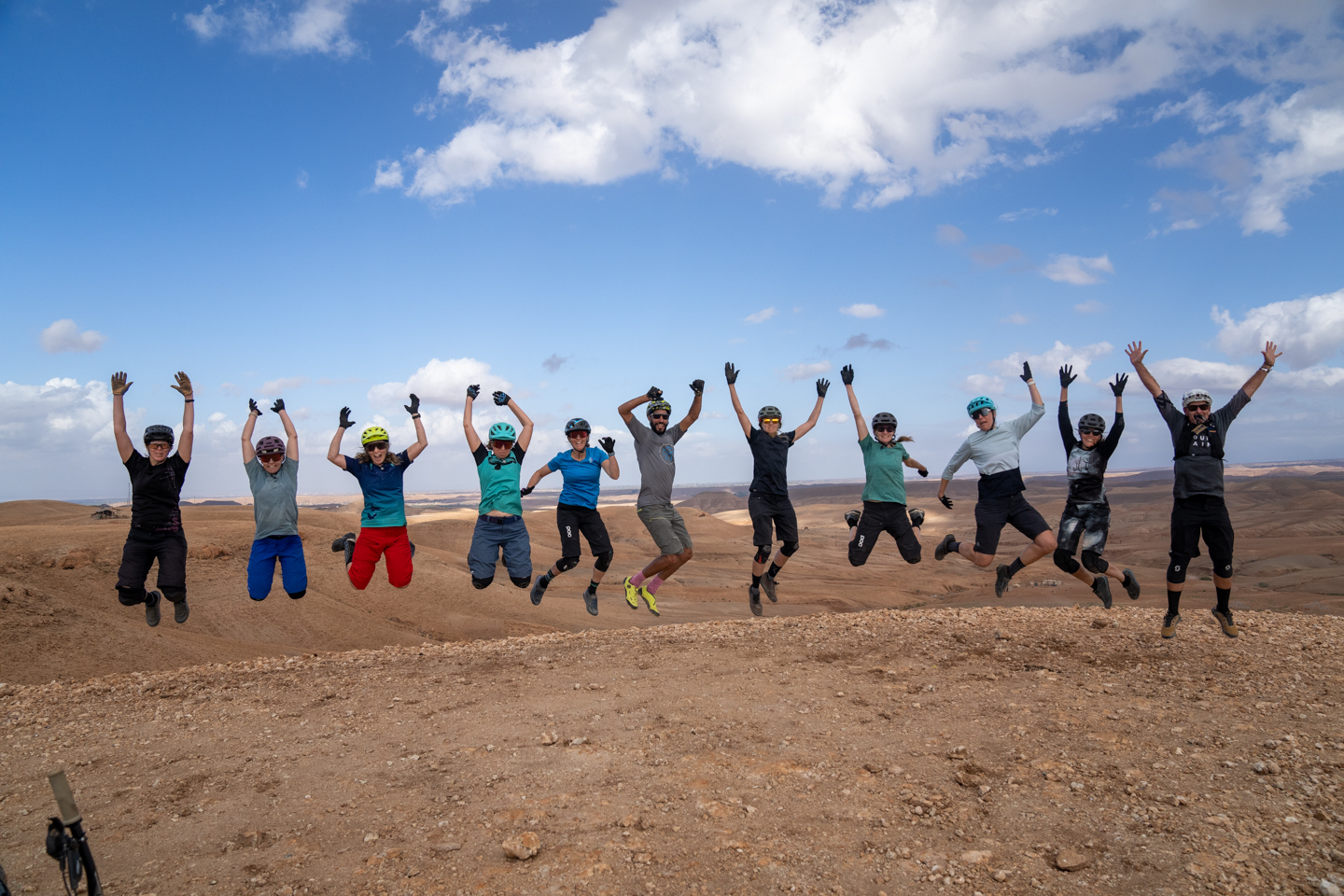
Just weeks later, Linda and nine other female riders boarded a plane to Marrakech.
This trip had already been years in the making. Originally planned for 2020, it had been postponed due to the pandemic, reimagined, and nearly written off more than once. When the earthquake hit—right where they were supposed to ride—it felt like the final sign to cancel.
Some thought, “This trip just isn’t meant to happen,” and the group wrestled with the decision to go.
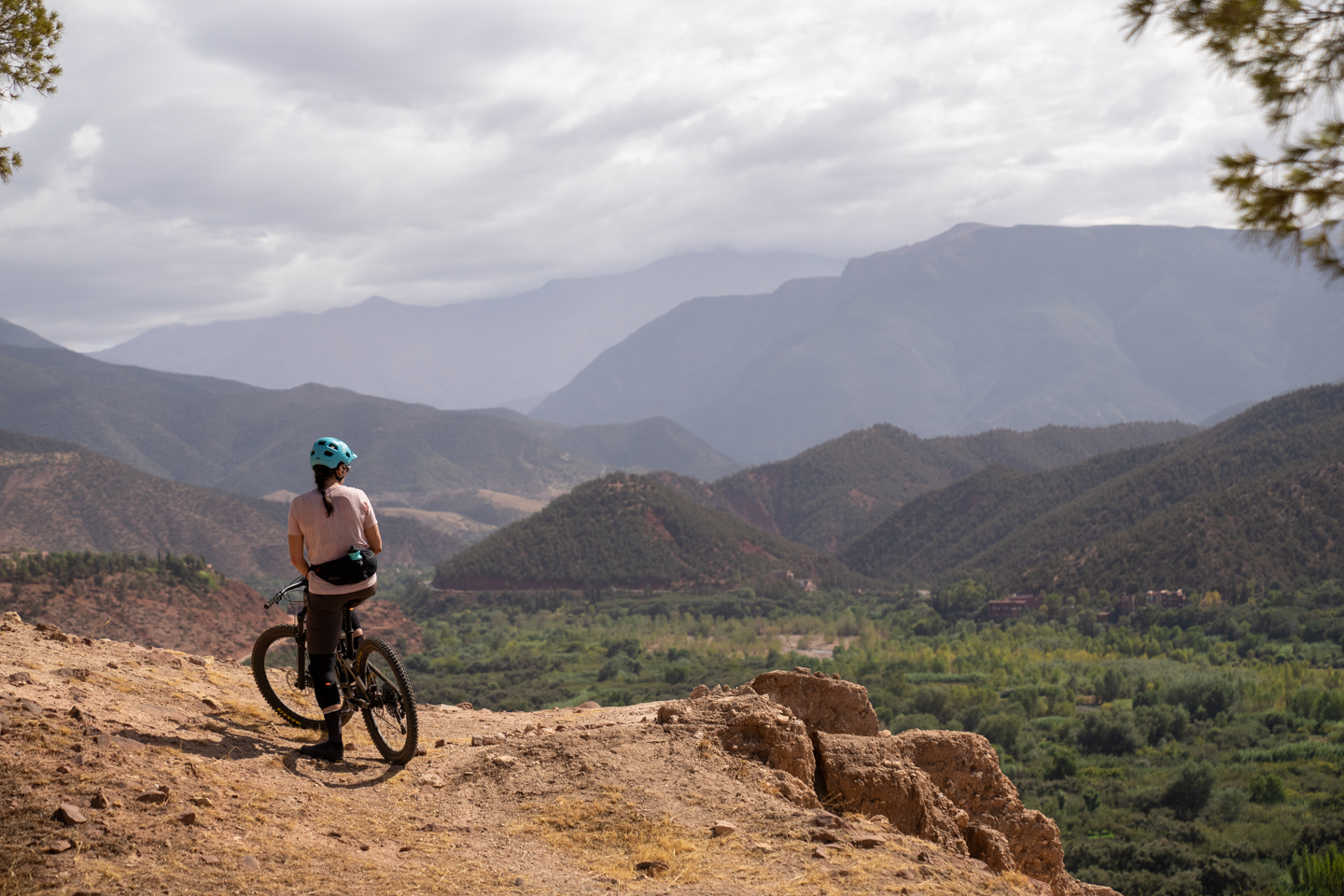
Was it safe? Would they be taking up resources locals needed? Would it feel insensitive—vacationing in a place that was still grieving?
They ultimately leaned on guidance from Big Mountain and their local guides and partners on the ground. What they heard changed everything.
Tourism wasn’t a burden—it was part of the recovery. Communities in the Atlas Mountains rely heavily on visitors. Without them, the economic impact of the earthquake would only deepen.
What followed wasn’t just a mountain bike trip. It was a deeply human experience—one that challenged assumptions about travel, connection, and what it really means to show up for a place in need.
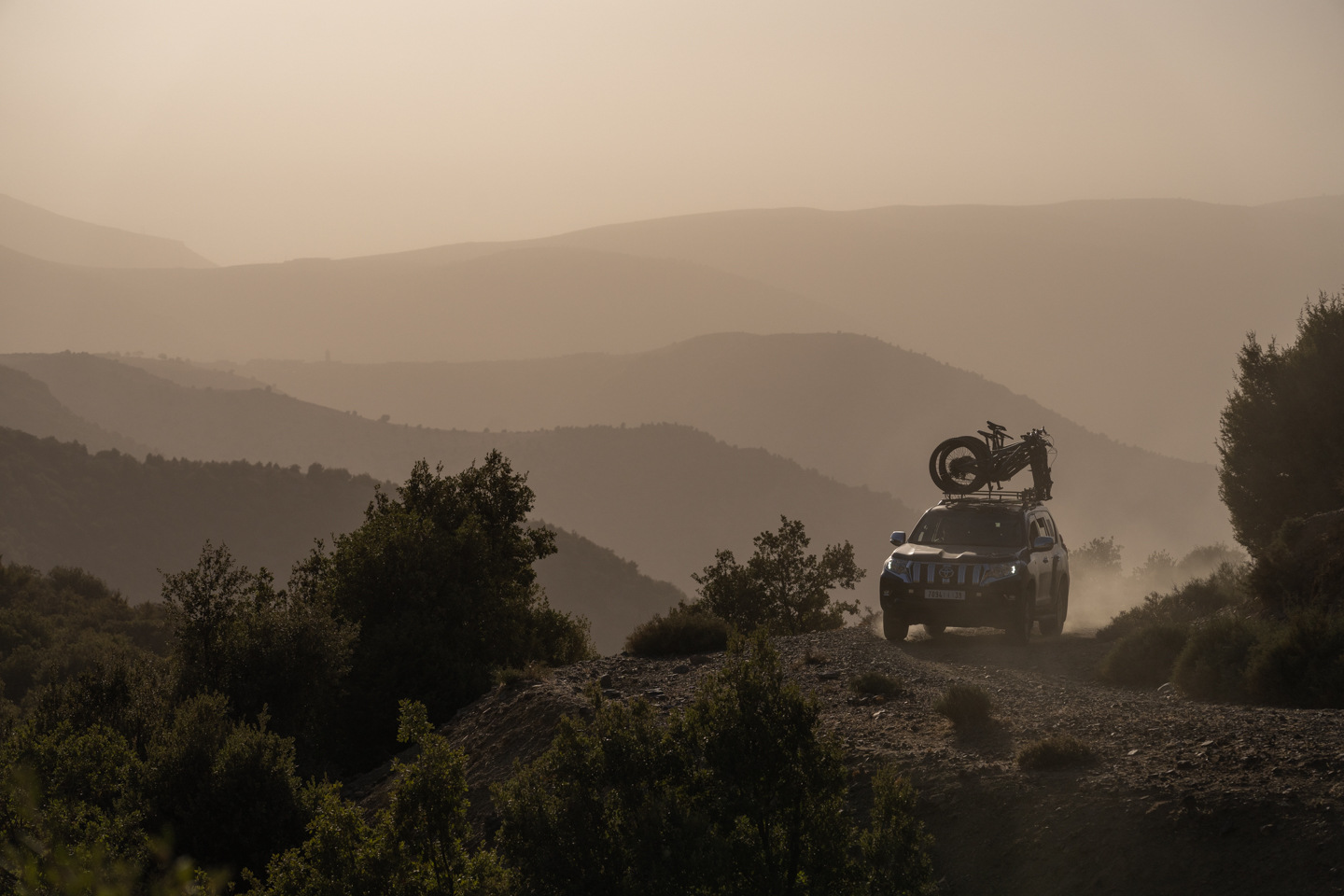
First Impressions: Marrakech
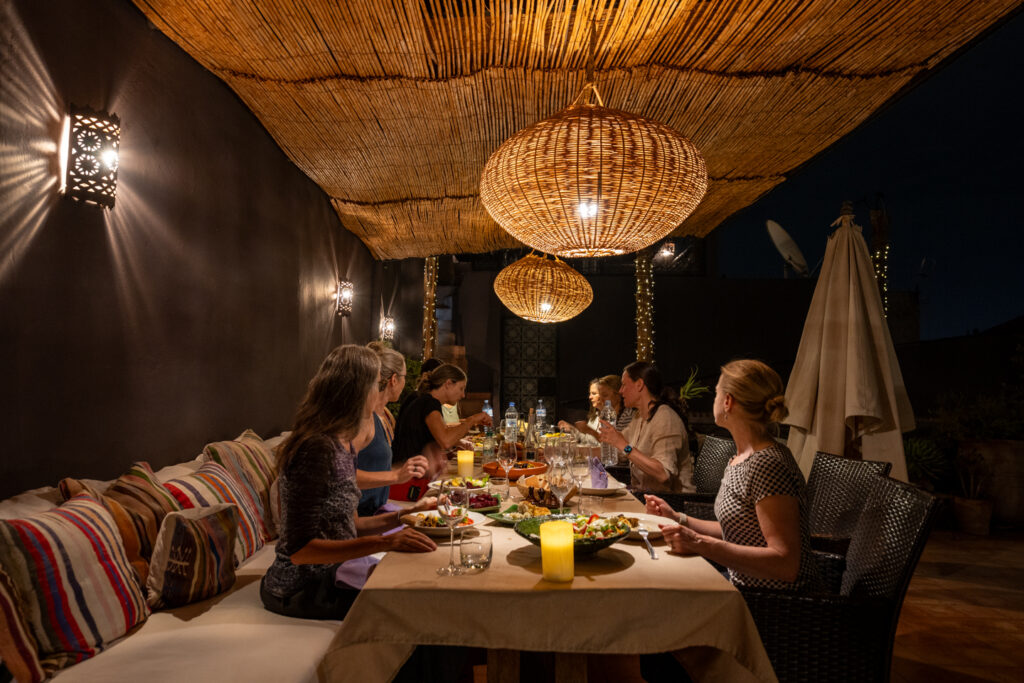
Nothing could have prepared them for that first walk through the Medina.
Dropped off at the edge of the old city, they made their way through narrow alleys toward their Riad. Buildings leaned precariously, supported by wooden beams and scaffolding. Rubble lined the streets. Some structures had partially collapsed, exposing the fragile reality beneath.
It was shocking and visceral.
And yet—life was continuing. Children played. Shops were open. People moved through the same alleyways, adapting, rebuilding, carrying on. That contrast stayed with Linda from the very beginning.
Riding Through the Atlas Mountains
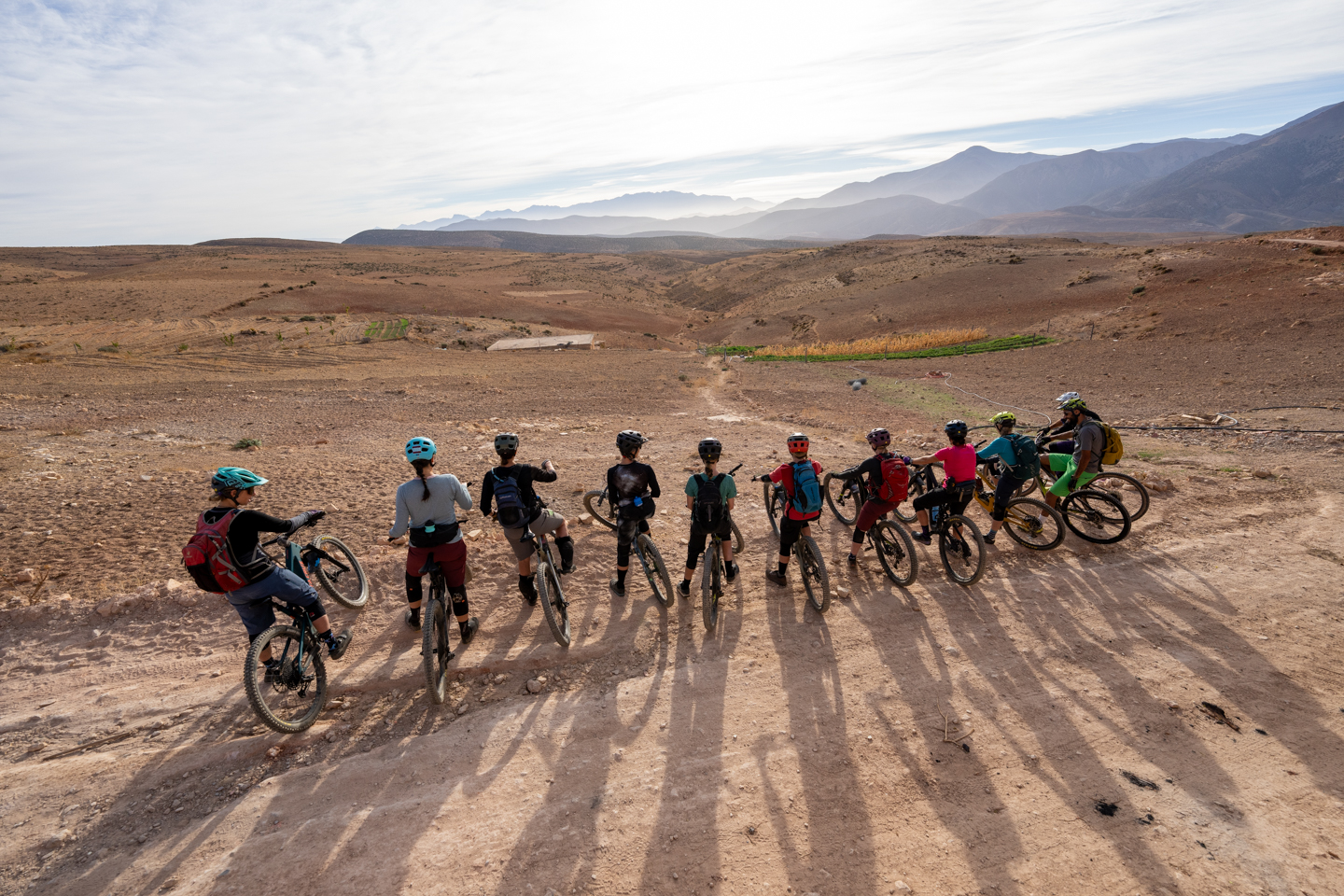
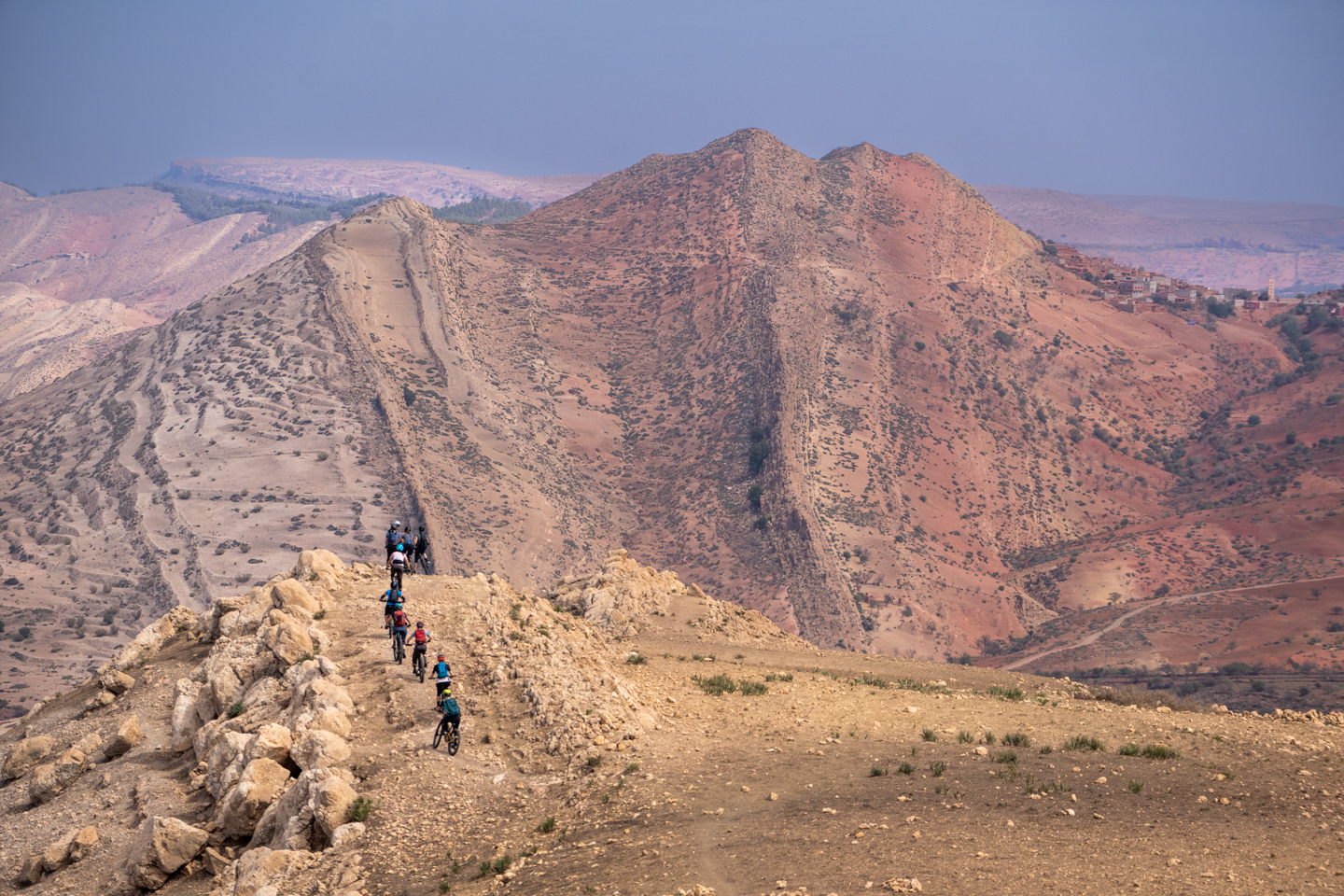
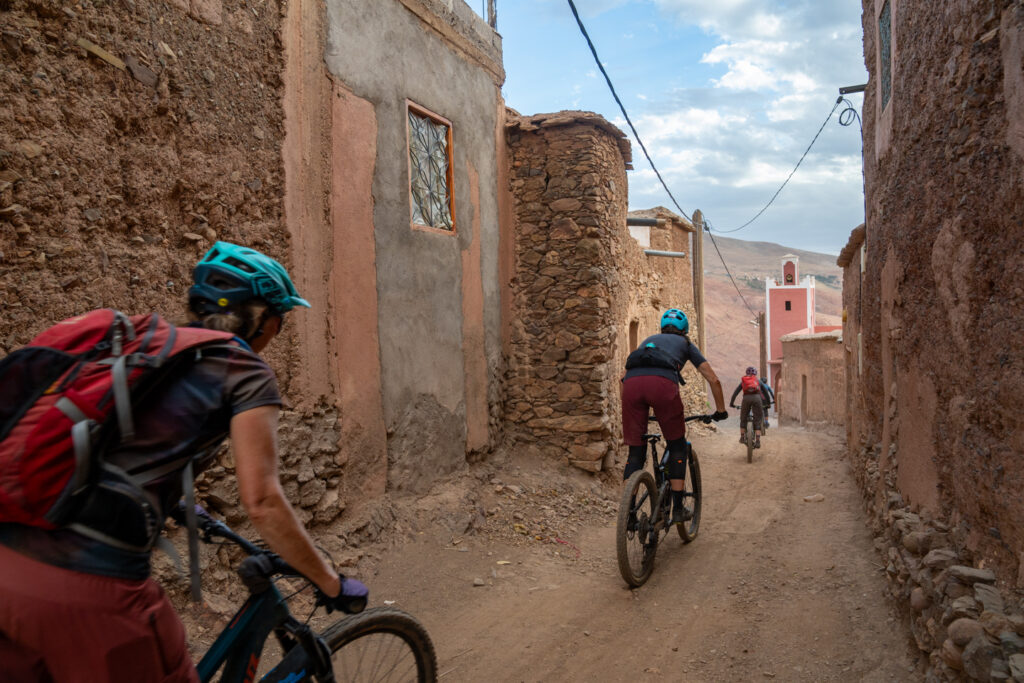
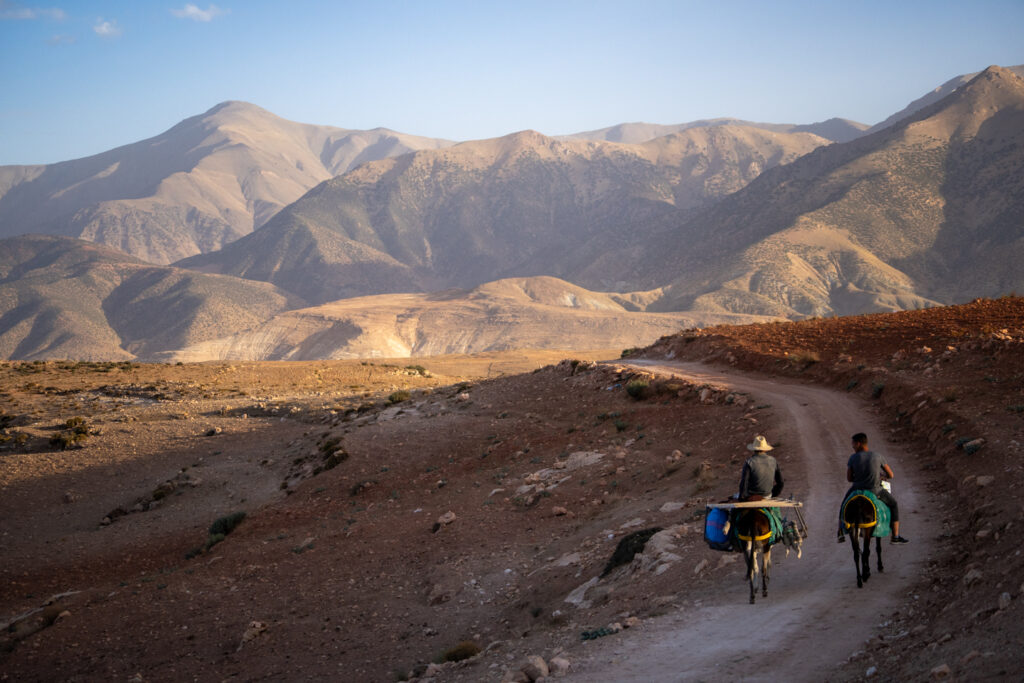
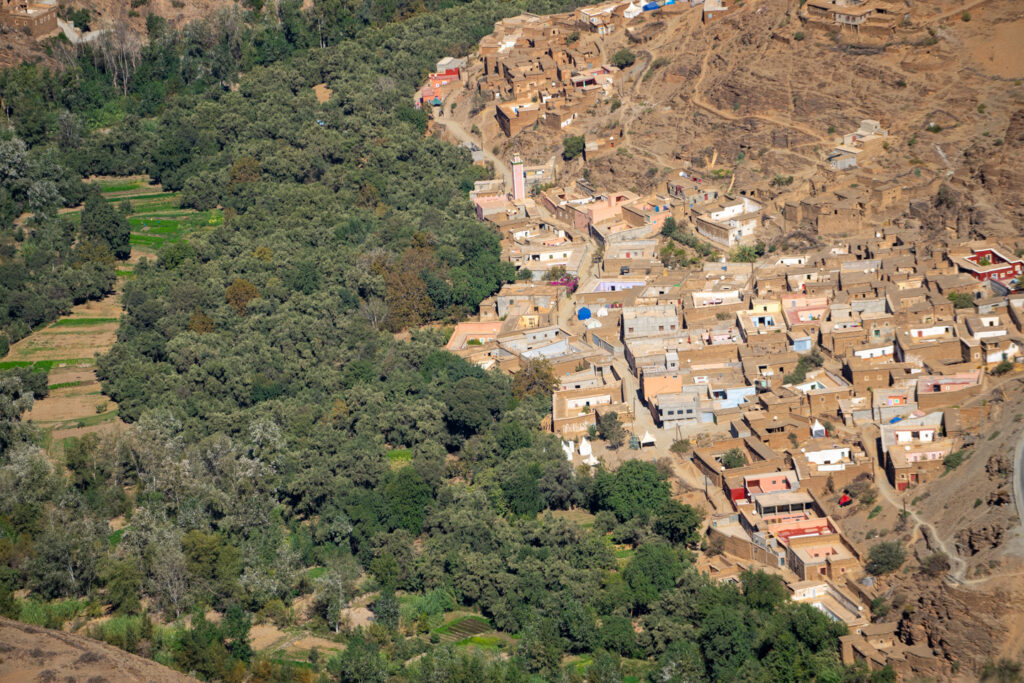
The riding was everything you’d expect from Morocco—raw, rugged, and breathtaking. But emotion hung heavy in the air. On one descent, the group rode into a Berber village that had been destroyed. Walls gone. Roofs collapsed. Entire homes made from clay, stones, straw and wood were reduced to rubble. They dismounted and walked their bikes in silence. And then—just down the trail—they came upon a temporary settlement – a tented camp that housed some of the earthquake survivors.
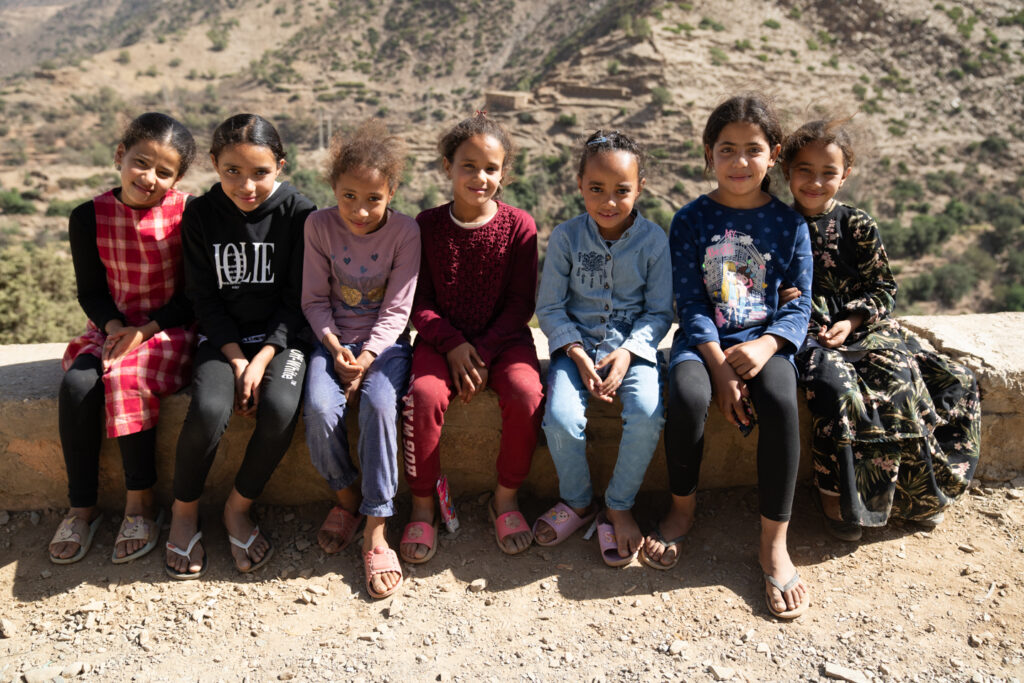
What happened next was unexpected and took them completely by surprise: People waved. Smiled. Blew kisses. Welcomed them.
One interaction, in particular, stayed with Linda.
Riding through a small village, she noticed a woman sitting alone on the step of a tiny home. On instinct, Linda stopped.
She walked over and said the only Arabic words she knew:
“Marhaba.” Hello.
“Shukran.” Thank you.
The woman took her hands. They spoke—though Linda couldn’t understand the words. But the meaning was unmistakable. Warmth. Presence. Humanity.
“She didn’t ask for anything,” Linda reflected.
“Just connection.”
Why Morroco, Now
As a group of ten women riding together, they stood out—just as they often do anywhere in the world.
But in Morocco, what stood out more was the contrast.
In the rural Atlas communities, many women they saw were deeply rooted in traditional Berber roles—caring for home and family. And yet, the group felt nothing but respect from their Moroccan guides and hosts – just mutual understanding and shared love for the experience.
For Linda and her friends, this wasn’t just another bike trip. They had always understood that travel supports local economies—especially in remote regions. But in Morocco, they saw something more powerful:
Travel creates connection.
It builds empathy.
It says: we see you, and we haven’t forgotten you.
Their guides could have avoided the hardest-hit areas and shielded them from the damage, but they didn’t. And that mattered. The group realized that avoiding the harsher realities—the destroyed villages, the temporary camps—would have meant missing the truth of what the region was going through. And in doing so, missing an opportunity for building empathy.
Their presence mattered. Not as spectators, but as contributors, in a small way, to a shared moment of recovery.
As Linda put it:
“The world will always benefit from more empathy.”
And if you’re wondering whether to go?
Go.
Morocco is still there. The trails are still incredible. And the people —more than ever—welcome you.
Join us on this legendary Dirt Merchant trip – spaces available for November 2026, and May 2027.